

We produce a weekly email with around a dozen short news summaries, including a curated selection from our member societies and other sources relevant to your interests, such as the GLA and TfL. On average, about once a month we produce summaries of our Insights, covering topical issues in more depth.
✉ Subscribe to our weekly emailRecent editions are shown here: click to show/expand the story listing, or drill down further to view the full email in original form.
London Forum News, Mon 12th Oct 2026
 Annual General Meeting 2026London Forum | 28th October 2026
- Unveiling of the Eliza Fenning memorialFOSGG | 25th October 2026
- Taxi fares review 2026TfL / Consultations | 12th October 2026








London Forum News, Mon 5th Oct 2026
- Annual General Meeting 2026London Forum | 28th October 2026
- Withdrawal of route 415 and changes to…TfL / Consultations | 5th October 2026
- Bus routes C3, 74 and 430 - proposed…TfL / Consultations | 5th October 2026








London Forum News, Monday, 28th Sep 2026
- Annual General Meeting 2026London Forum | 28th October 2026
- Wandsworth Town Centre bus and walking improvementsTfL / Consultations | 28th September 2026
- Why is a community non-profit bulldozing this artsy South Bank market?Josh Wilkey | 26th September 2026







London Forum News, Monday, 21st Sep 2026
- Presentation slides: Will the London Plan deliver the housing and places London needs?London Forum | 21st September 2026
- St John’s Rail Crash Plaque UnveilingThe St Johns Society | 20th September 2026
- Jubilee Hall opens for London FestivalThe Enfield Society | 19th September 2026


London Forum Insights, Thursday, 17th Sep 2026
- Key policies in the NPPFLondon Forum | 16th September 2026
London Forum News, Monday, 14th Sep 2026
- Will the London Plan deliver the housing and places London needs?London Forum | 14th September 2026
- London Small Site Design CodeGLA / Consultations | 11th September 2026
- London View Management Framework (LVMF)GLA / Consultations | 11th September 2026

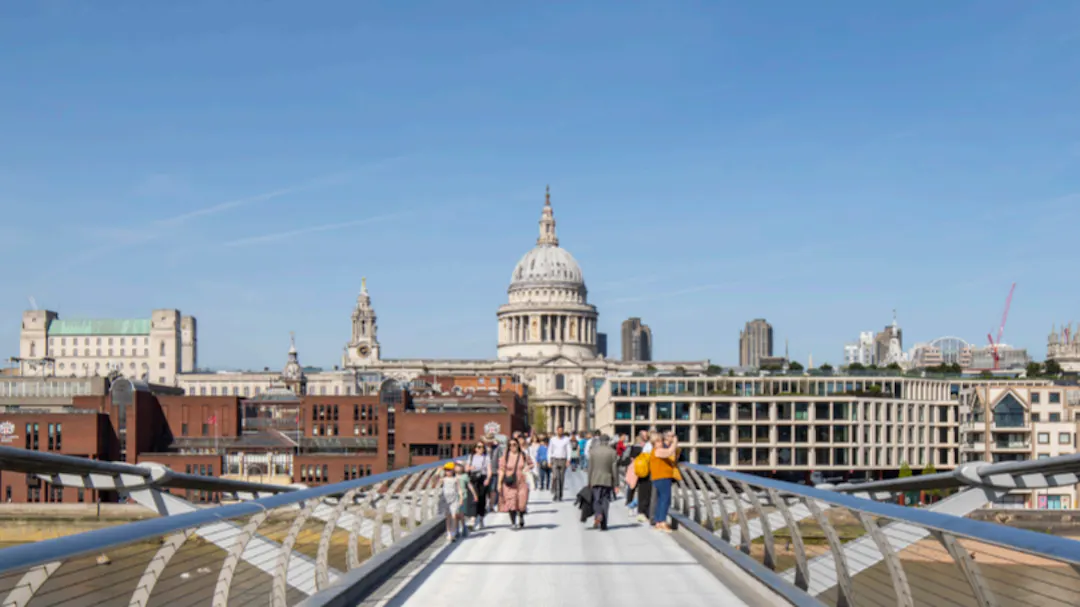


London Forum News, Monday, 7th Sep 2026
- Will the London Plan deliver the housing and places London needs?London Forum | 14th September 2026
- Syon Park to Hounslow town centre walking and cycling improvementsTfL / Consultations | 7th September 2026
- Next Step for Victoria Tower Gardens: Our Call for an Open Public InquiryThe Thorney Island Society | 6th September 2026





London Forum News, Monday, 31st Aug 2026
- Will the London Plan deliver the housing and places London needs?London Forum | 14th September 2026
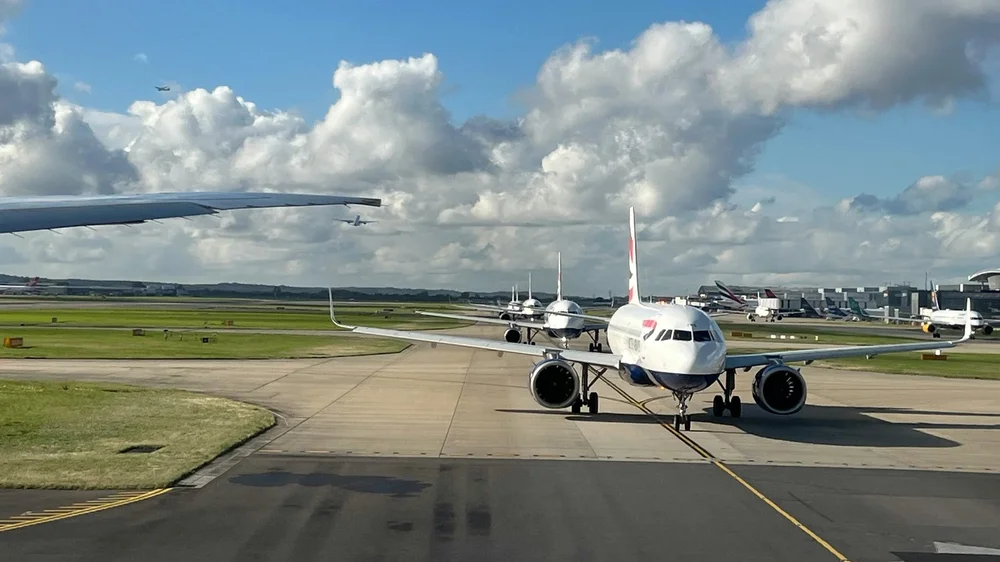
- Mayor challenges Heathrow expansionLondon Forum | 30th August 2026
- Putney Society response to the government consultation on Heathrow Expansion (HENPS)Other news from The Putney Society - The Putney Society | 30th August 2026






Each email provides a link where you can unsubscribe.

Development viability issues
The Housing and Planning Minister Matthew Pennycook MP acknowledged in a speech the ...

More information for members
We have made available three additional links to information in our website Resources facility in the 'Other' section.
They are ...
![School [Freepik]](https://i0.wp.com/www.londonforum.org.uk/wp-content/uploads/2026/02/School.jpg?fit=150%2C94&ssl=1)
School closures
London Councils, representing local authorities in the capital, produced a report 'Finding the Balance' on falling education class numbers and ...

Key policies in the NPPF
The following is a blog recently written by the lawyer Simon Ricketts which is intended to help developers to get a planning application approved. It is helpful for London Forum's members to understand parts of the new NPPF and for considering its ...
Most Popular This Week


Member News


-
Annual General Meeting 2026
📆 Wed 28th October | 18:30 - 20:30
🚩 77 Cowcross Street, EC1M 6EL (map)
Wednesday 28 October 6.30pm at The Gallery, 77 Cowcross Street, EC1M 6EL Notice is hereby given to member societies of the 2026 AGM of the London Forum of Amenity and Civic Societies. Doors open for networking, drinks and nibbles from 6.00pm. Please book your place(s) using the booking facility ( https://www.londonforum.org.uk/events/agm-2026#booking ). Agenda Welcome and Introduction Approval of the Minutes of the AGM of 16 October 2025, available here ( https://www.londonforum.org.uk/agm-papers/ ) Chair’s Report – Chair Michael Jubb Financial Report – Treasurer Ali Dezyanian Approval of the Annual Report and Accounts for 2025-2026, available here ( https://…
Featured Pages